
Capital with Caution: Where Biotech Investors Are Placing Their Bets in 2026
Introduction: From Funding Frenzy to Selective Capital Just a few years ago, biotech funding felt unstoppable. Mega rounds Rapid IPOs

Regulatory Milestones Biotech Startups Must Watch
Introduction: Regulation as a Strategic Milestone in Biotech For biotechnology startups, scientific breakthroughs are only one part of the journey
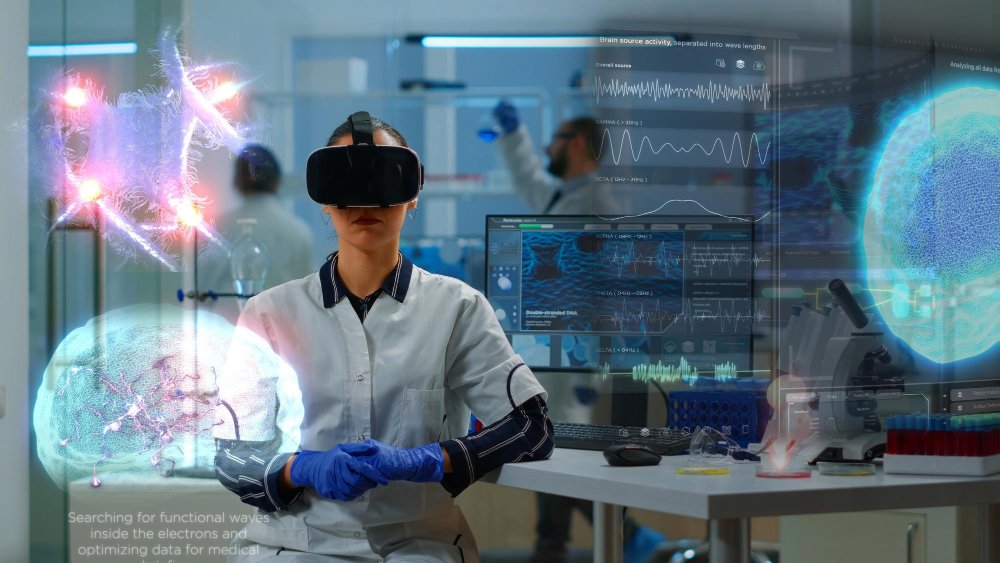
Precision Medicine Advancements Accelerating in 2026
Introduction: From Concept to Clinical Standard Precision medicine is no longer a futuristic promise, it’s rapidly becoming the clinical default.
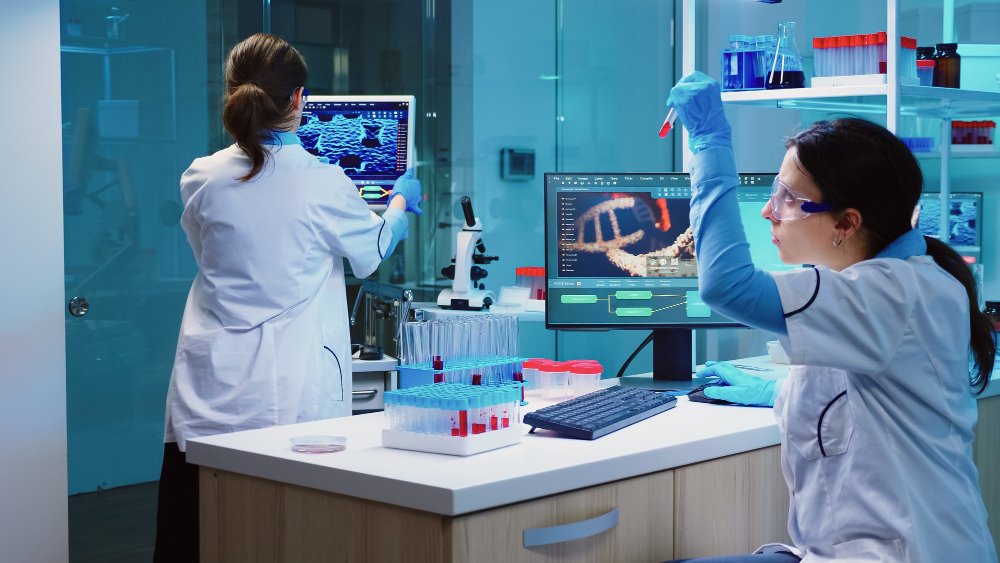
Inside the Lab: A CEO’s Vision for the Future of Biotech
It’s just past sunrise when the lights flicker on inside the lab. Pipettes are lined up, data dashboards glow softly,

Regulation Whiplash: From Slump to Surge: Why Biotech Funding Is Quietly Coming Back in 2025
When 28-year-old Meera Rao, an Indian biotech founder, posted on LinkedIn, “We thought the check had dried up. Then, late-Sept,

Gene Therapies to Watch Advancing Through Clinical Trials
Gene therapy has moved from experimental promise to clinical reality. Over the past few years, regulatory approvals have validated decades

FDA & EMA Regulatory Trends Biotech Founders Must Track
Opening: Regulation as a Strategic Lever, Not a Barrier For biotech founders, regulation is no longer just a box to

Gene Editing & Synthetic Biology: Where Biotech Is Heading
Introduction: From Discovery to Design Biotechnology is entering a defining era, one where biology is no longer only studied, but

Biotech Regulations to Watch in 2026: US, EU & Asia
Introduction: Regulation Becomes a Strategic Force As biotechnology accelerates from gene editing and synthetic biology to AI-driven drug discovery regulation

Regulation Whiplash: FDA’s Game, Changer: The ‘Plausible Mechanism’ Pathway and What It Means for Rare, Disease Therapies
When a mother in Bengaluru posted a tearful message after her child with an ultra, rare genetic disorder gained access





The Next Wave of Biotech Breakthroughs in Drug Discovery
Introduction: A New Era Beyond Traditional Discovery
For decades, drug discovery was a slow and uncertain process: years of research, billions in investment, and no guarantee of success. But biotechnology is entering a new phase. In 2026, breakthroughs powered by AI, gene editing, and precision medicine are accelerating discoveries that once seemed impossible, offering new hope to patients waiting for treatments that still do not exist.
A Real Story: Hope After Years of Waiting
A father in Massachusetts spent years searching for treatment options after his daughter was diagnosed with a rare genetic disorder. Traditional therapies only managed symptoms, while experimental treatments remained out of reach.
Everything changed when she became eligible for a precision medicine trial developed through AI-assisted drug discovery and gene-targeting research. The treatment was tailored specifically to the genetic mutation causing her condition.
For the first time in years, her symptoms stabilized.
Stories like these are increasingly shaping conversations across LinkedIn and biotech communities, highlighting how emerging technologies are shortening the path between research and real patient impact.
The Breakthrough Trends Driving the Future
1. AI-Powered Drug Discovery
AI is helping researchers identify promising drug compounds faster, reducing development timelines and research costs.
2. Precision Medicine and Gene Editing
Technologies like CRISPR are enabling therapies tailored to individual genetic profiles, opening possibilities for previously untreatable diseases.
3. mRNA Beyond Vaccines
After the success of mRNA vaccines, biotech firms are exploring applications in cancer treatment, rare diseases, and personalized therapies.
4. Faster Clinical Trial Innovation
Digital trial platforms and biomarker-driven studies are improving recruitment, monitoring, and treatment precision.
Conclusion: From Scientific Possibility to Human Impact
The next wave of biotech innovation is not just about faster science, it’s about changing lives sooner. As technology and biology converge, drug discovery is becoming more targeted, more efficient, and more hopeful than ever before.
Because behind every breakthrough is something deeply human: the chance for more time, better treatment, and a future that once felt unreachable.

Venture Funding Trends in Biotech: Q1 Snapshot
Introduction: A Measured Comeback for Biotech Funding After a period of volatility and cautious investor sentiment, biotech venture funding is showing signs of stabilization in

mRNA Platforms Beyond Vaccines: Expanding Applications
Introduction: From Pandemic Breakthrough to Platform Technology Messenger RNA (mRNA) technology rose to global prominence during the COVID-19 pandemic, proving its value through rapid vaccine
