
Inside the Lab: A CEO’s Vision for the Future of Biotech
It’s just past sunrise when the lights flicker on inside the lab. Pipettes are lined up, data dashboards glow softly,

Regulation Whiplash: From Slump to Surge: Why Biotech Funding Is Quietly Coming Back in 2025
When 28-year-old Meera Rao, an Indian biotech founder, posted on LinkedIn, “We thought the check had dried up. Then, late-Sept,

Biotech’s Billion-Dollar Comeback: Why 2025 Is the Year Investors Are Betting Big Again
After years of quiet, biotech is roaring back, and 2025 may well be its breakout act. Introduction In the hush

Bitcoin, Ethereum & The Market Mood
Bitcoin (BTC) is a crypto in the CRYPTO market. The price is 111,765.0 USD currently with a change of +2,348.00

Biotech Regulations to Watch in 2026: US, EU & Asia
Introduction: Regulation Becomes a Strategic Force As biotechnology accelerates from gene editing and synthetic biology to AI-driven drug discovery regulation

Regulation Whiplash: FDA’s Game, Changer: The ‘Plausible Mechanism’ Pathway and What It Means for Rare, Disease Therapies
When a mother in Bengaluru posted a tearful message after her child with an ultra, rare genetic disorder gained access
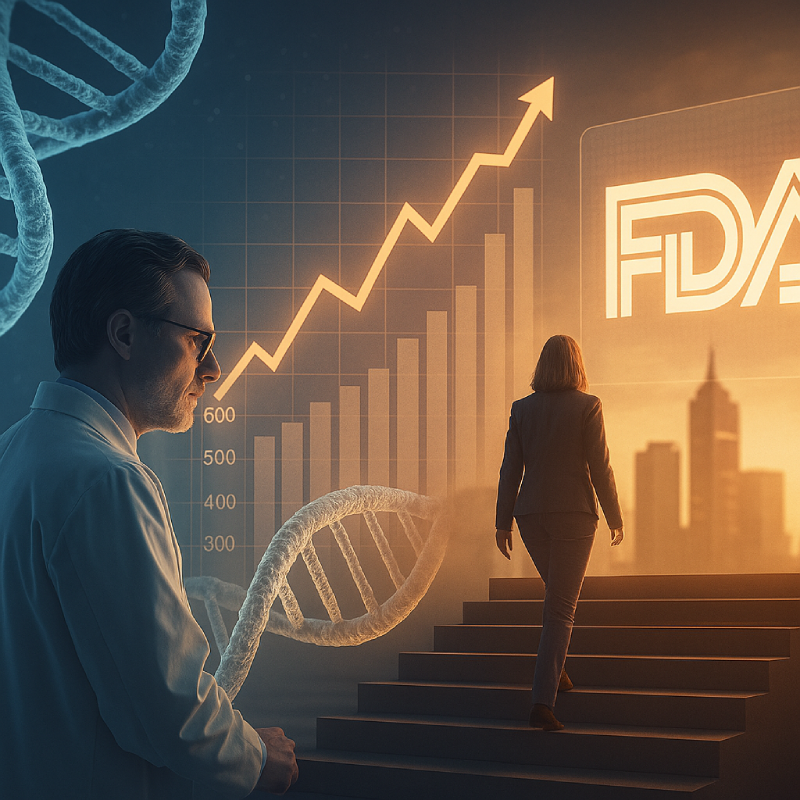
The FDA Goes Fast-Track: How Regulators Are Rewriting the Rules for Gene Therapy
Innovation is sprinting ahead. Regulators are scrambling to keep up , and rewrite the playbook on the fly. A Race

Guidance updates, reporting deadlines, and accounting treatments in key jurisdictions
When Deadlines Loom: Regulation Shifts You Can’t Ignore in Biotech & Health It was 10:45 pm on a Thursday when





Global Biotech Regulations Are Evolving – What Startups Need to Know
The global regulatory landscape for biotechnology is in the midst of a major evolution driven by scientific advances, geopolitical concerns, sustainability priorities, and shifting public expectations. For biotech startups, this moment isn’t just about compliance checkboxes it’s about understanding emerging rules, anticipating shifts, and turning policy changes into strategic opportunities. From new U.S. legislation aimed at export controls on synthetic DNA to provisional EU agreements over drug approval pathways, the regulatory environment is both a challenge and a compass for tomorrow’s innovators.
1. Shifting U.S. Regulatory Dynamics Security, Access & Oversight
Recent developments in the United States reflect a growing focus on both national security and regulatory modernization:
- A bipartisan group of U.S. lawmakers introduced legislation requiring export licenses for digital synthetic DNA sequences, a move intended to protect proprietary research and curb foreign access to sensitive biotech tools. This policy effort signals increased scrutiny on how foundational biotech materials are shared globally and will affect startups engaged in synthetic biology research.
- Meanwhile, long-standing calls to revisit the U.S. Coordinated Framework for the Regulation of Biotechnology originally established in 1986 are gaining traction. Critics argue that the legacy framework hasn’t kept pace with novel technologies that fall outside traditional regulatory categories, leaving startups uncertain about approval pathways and compliance expectations.
For startups, these dynamics underscore the need to engage regulatory counsel early and to monitor legislation beyond typical health authorities, as national security concerns increasingly intersect with biotech innovation.
2. Europe’s Provisional Pharma Pact – Speed, Protection & Balance
In Europe, the regulatory framework is also transforming:
- The EU recently sealed a provisional pharmaceutical package designed to streamline drug rules and accelerate patient access to novel therapies. This framework includes data protection terms and mechanisms such as transferable exclusivity vouchers aimed at stimulating antibiotic development.
- The deal attempts to balance regulatory rigor with competitive positioning for the EU biotech industry, though some stakeholders including large pharma and entrepreneurs — warn that protections may still lag behind U.S. standards, potentially influencing where companies choose to file early stage programs.
For startups operating in or considering entry into EU markets, understanding these new protections, timelines and exclusivity rules will be critical for planning clinical and commercialization strategies.
3. Emerging Markets & Regional Regulatory Shifts
Innovation isn’t confined to established markets. Regulatory evolution in Asia-Pacific and the Middle East offers alternate pathways:
- Nations across Asia-Pacific including Singapore, South Korea, and China are positioning themselves as biotech hubs with regulatory frameworks that emphasize speed and efficiency in approvals, often coupled with strategic government support. Local reforms have made clinical trial applications and approvals faster and more predictable, giving startups alternate pathways when traditional routes are slow or resource-intensive.
- In Saudi Arabia, biotech regulation spanning therapeutics, diagnostics, medical devices and agricultural biotech reflects a commitment to harmonize with international standards while also tailoring oversight to local market needs. Requirements include clinical trial registration, ethics review, and quality systems compliance for device and biologics regulation.
These regional shifts highlight that startups can and should look beyond U.S. and EU frameworks when designing global development strategies, especially as regulatory regimes evolve in ways that may reduce barriers or offer incentives.
4. Broader Regulatory Themes Affecting Startups
Several overarching regulatory trends are shaping biotech policy globally:
- AI in drug development and discovery: Regulatory agencies are publishing guidance on the use of AI in drug development, signaling cautious acceptance and a roadmap for how computational systems will be evaluated in regulatory submissions.
- Sustainability and environmental oversight: As biotech expands into synthetic biology and bio-manufacturing, sustainability regulations are expected to tighten, particularly around genetically modified organisms (GMOs) and ecosystem impacts.
- Clinical trial globalization: With regulatory reforms in emerging markets, companies are increasingly distributing clinical trial sites outside traditional hubs, enabling faster initiation and enhanced patient diversity. Agencies in China, Australia and parts of Europe have simplified trial procedures to attract global research activity.
Startups navigating these trends must build regulatory roadmaps that account not just for product efficacy and safety, but also evolving frameworks for digital tools, environmental impact, and cross-border research.
Conclusion – Rules as Strategic Signals
Regulation isn’t merely an obstacle, it’s a strategic guidepost. For biotech startups, evolving policies provide clues about where markets are heading, what types of innovation regulators encourage, and how global competitiveness is being shaped. Proactive engagement with regulatory trends from export controls on synthetic DNA to AI guidance and sustainability mandates helps startups reduce friction, align R&D investments with market realities, and build credibility with partners, payers and patients.

Breakthrough Biotech Technologies Entering Clinical Trials in 2026
From Lab Discovery to Human Impact The journey from laboratory breakthrough to real-world medical application is long, complex, and often uncertain. Yet as 2026 approaches,

Top 5 Biotech Innovations to Watch in 2026
The pace of biotech is accelerating from “if” to “how fast.” Heading into 2026, five areas stand out not because they are purely theoretical, but